German
 Japanese
 Portuguese
 Korea
 Mexico
 Dutch


LM393 Comparator IC: Pinout, Datasheet, and Small-Batch Alternatives

LM393 Comparator IC: Pinout, Datasheet, and Small-Batch Alternatives
The LM393 dual comparator IC is widely used for voltage monitoring, sensor interfaces, and protection circuits. We provide small-quantity LM393 supply, cross-brand pin-to-pin alternatives, and a 48h lead-time comparison to ensure reliable sourcing.
Submit BOM for LM393 Replacements (48h)
What is LM393 Comparator?
The LM393 comparator is a dual comparator IC designed to compare two input voltages and provide a digital high/low output. Unlike an operational amplifier, which delivers continuous analog gain, the LM393 is optimized for threshold detection, switching its output when one input voltage exceeds the other.
Recommended Reading: Comparator Circuit: Definition, Op-Amp vs Comparator, Hysteresis, Interfaces (MOSFET/PLC/Optocoupler), Multi-Bit & Flash ADC, IC Selection .
Comparator vs Operational Amplifier
Although both comparators and op-amps share a similar differential input stage, their functions differ:
- Operational Amplifier (Op-Amp): Produces a continuous analog output based on feedback networks. Used for amplification, filtering, and signal conditioning.
- Comparator (e.g., LM393): Provides a binary output (HIGH/LOW). It acts as a threshold detector and requires a pull-up resistor due to its open-collector design.

Is LM393 an op amp? No, LM393 is not an operational amplifier; it is a dedicated dual comparator IC.
Is LM393 a comparator? Yes, LM393 is a comparator IC with two independent channels.
What do you mean by comparator? A comparator is an electronic device that compares two input voltages and outputs a digital HIGH or LOW signal.
Is a comparator analog or digital? It accepts analog inputs but produces a digital output.
How does a comparator IC work? When the non-inverting input exceeds the inverting input, the LM393 output switches LOW (open-collector). With a pull-up resistor, this is seen as a digital HIGH-to-LOW transition.
LM393 Comparator Pinout
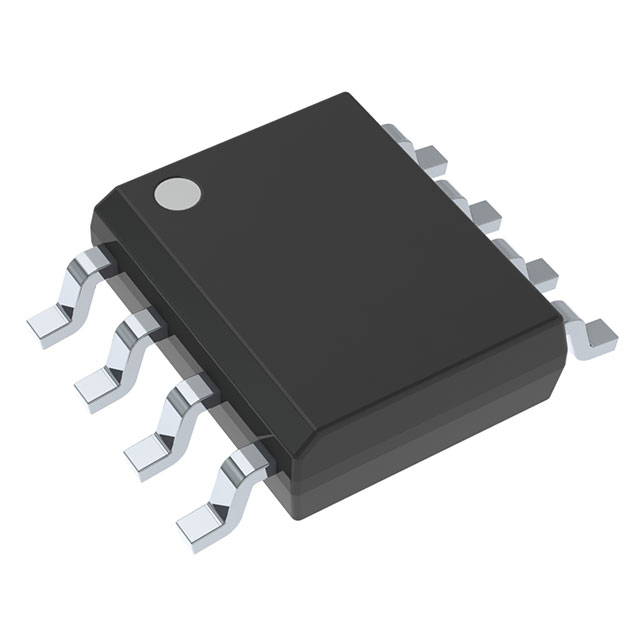
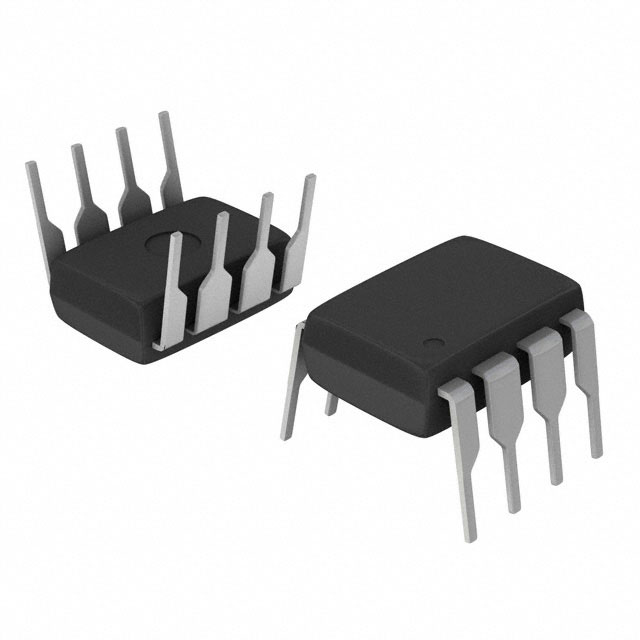
The LM393 comparator IC comes in an 8-pin package. Each pin serves the following functions:
- Pin 1: Output 1
- Pin 2: Input 1− (Inverting)
- Pin 3: Input 1+ (Non-Inverting)
- Pin 4: Ground (GND)
- Pin 5: Input 2+ (Non-Inverting)
- Pin 6: Input 2− (Inverting)
- Pin 7: Output 2
- Pin 8: VCC (Supply Voltage)

Output Structure
The LM393 features an open-collector output. This means it can only sink current and requires an external pull-up resistor to provide a valid logic HIGH level.
- Is LM393 an open collector? Yes, it uses open-collector outputs.
- Does LM393 need a pull up resistor? Yes, an external pull-up resistor is required for output to function properly.
Electrical Specifications
According to the LM393 datasheet, key electrical parameters include:
| Parameter | Value | Notes |
|---|---|---|
| Supply Voltage (VCC) | 2V – 36V | Not rail-to-rail |
| Minimum Operating Voltage | ~2V | Answer to FAA: “What is the minimum voltage for LM393?” |
| Input Common-Mode Voltage | 0V to (VCC – 1.5V) | Excludes top rail |
| Response Time | 1.3 µs (typical) | At VCC = 5V |
| Output Type | Open Collector | Requires pull-up resistor |
Is LM393 rail to rail? No, the LM393 is not rail-to-rail; its input common-mode range stops about 1.5V below the supply.
Applications of LM393
The LM393 comparator is widely used across automotive, industrial, and consumer applications. It is valued for its dual comparator design, low power consumption, and open-collector outputs. LM393 automotive grade versions are AEC-Q100 qualified, making them suitable for vehicle ECUs and safety-critical modules.
Automotive
Used for battery voltage monitoring, ECU protection, and ABS wheel speed detection. Automotive-grade LM393 comparators ensure compliance with reliability standards.
Industrial
Supports motor protection, PLC input signal conditioning, and UPS/power supply monitoring. The dual comparator structure makes LM393 ideal for threshold detection circuits.
Consumer Electronics
Common in fan speed controllers, thermostat circuits, and light-sensitive switches. The LM393 provides reliable digital switching from analog sensor signals.

LM393 in Sensor Modules
The LM393 is also commonly integrated into sensor modules, providing threshold detection and digital outputs. These modules highlight how LM393 is used for IR, speed, and sound detection in embedded systems.
Speed Sensor
How does the LM393 speed sensor work? Typically paired with a Hall effect sensor, the LM393 outputs digital pulses corresponding to wheel or shaft speed. Which sensor is used to detect speed? → Hall effect sensors are most common. How to check if a speed sensor is working? → Monitor LM393 output for switching between HIGH and LOW.

IR Sensor
What is the range of the LM393 IR sensor? Most IR modules using LM393 offer detection ranges between 2–30 cm, depending on LED/receiver design. What is the voltage of the LM393 sensor? → Typically operates at 3.3V or 5V supply.

Sound Sensor
What is the frequency range of the LM393 sound sensor? These modules are designed for detecting voice or ambient noise, with practical sensitivity in the 20Hz–20kHz range. How to use an LM393? → Feed the analog signal into the comparator input and use the digital output to trigger LEDs or microcontrollers.

LM393 Datasheet & Key Parameters
According to the LM393 datasheet, the comparator offers wide supply voltage operation, low input bias current, and fast response time. Engineers can review the complete electrical characteristics in the manufacturer’s datasheet.
Download LM393 Datasheet (PDF)| Parameter | Value | Notes |
|---|---|---|
| Supply Voltage (VCC) | 2V – 36V | Wide operating range |
| Minimum Operating Voltage | ~2V | Answer to FAA: “What is the minimum voltage for LM393?” |
| Input Bias Current | 25 nA (typical) | At 25°C |
| Response Time | 1.3 µs (typical) | VCC = 5V |
| Operating Temperature | -40°C to +85°C | AEC-Q100 automotive grade: up to +125°C |

LM393 Alternatives & Equivalent Comparisons
Engineers often search for LM393 alternatives, replacements, and equivalent ICs when addressing supply chain shortages or evaluating performance options. Below are common cross-brand alternatives and detailed comparisons with related devices.
Cross-Brand LM393 Replacements
| Brand | Model | Key Features | Compatibility |
|---|---|---|---|
| Texas Instruments (TI) | LM393DR / LM293 | Industrial & Automotive grade | Pin-to-pin with LM393 |
| ON Semiconductor | LM393DG | AEC-Q100 qualified | Drop-in replacement |
| STMicroelectronics | LM393DT | Low power, wide temp range | Fully compatible |
| Microchip | MCP6561 | Low-power comparator | Functional replacement |
| Chinese Brands | CS393, SC393 | Cost-effective, small-quantity friendly | Pin-to-pin equivalent |
LM393 vs LM2903
The LM393 vs LM2903 comparison reveals that both devices are pin-to-pin compatible. The LM2903 is commonly used in industrial and automotive environments and can be a direct LM393 replacement.
LM393 vs LM339
What is the difference between LM393 and LM339? LM393 is a dual comparator (2 channels), while LM339 is a quad comparator (4 channels). Is LM339 a comparator? Yes, LM339 is also a comparator IC and often used where multiple thresholds are monitored.
LM393 vs LM358
What is the difference between LM393 and LM358? LM393 is a comparator IC with digital output switching, whereas LM358 is an operational amplifier designed for continuous analog signal amplification. They are not direct replacements for each other.

Buying LM393 in Small Quantities & Lead-Time Support
Looking to buy LM393 in small quantity? We provide flexible supply options such as Cut-Tape and Tray packaging, along with 48h lead-time comparison across multiple suppliers. Each LM393 order includes compliance checks and pin-to-pin verified replacements to prevent compatibility issues.
- Cut-Tape / Tray support → no need to purchase full reels for prototyping or small runs.
- 48h LM393 lead-time comparison → receive an updated delivery schedule within 2 working days.
- Pin-to-pin verified alternatives → avoid mismatched replacements and ensure functional compatibility.
- Compliance & quality checks → AEC-Q100 / industrial grade verification to reduce risk.

Frequently Asked Questions about LM393 Comparator
Is LM393 an op amp?
No, LM393 is not an operational amplifier. It is a dual comparator IC. See definition.
Is LM393 a comparator?
Yes, LM393 is a comparator with two independent channels. See definition.
What do you mean by comparator?
A comparator compares two voltages and outputs a digital HIGH or LOW. See comparator explanation.
Is a comparator analog or digital?
It accepts analog inputs but produces a digital output. See working principle.
How does a comparator IC work?
When the non-inverting input exceeds the inverting input, the output switches LOW (open-collector). See operation.
Is LM393 an open collector?
Yes, LM393 uses an open-collector output stage. See pinout.
Does LM393 need a pull up resistor?
Yes, a pull-up resistor is required for valid logic HIGH output. See electrical specs.
Is LM393 rail to rail?
No, LM393 is not rail-to-rail; its input range stops about 1.5V below supply. See specs.
What is the minimum voltage for LM393?
The LM393 operates from as low as ~2V supply. See datasheet.
What is the difference between LM393 and LM339?
LM393 is dual comparator; LM339 is quad comparator. See comparison.
What is the difference between LM393 and LM358?
LM393 is a comparator; LM358 is an op-amp for analog amplification. See comparison.
Is LM339 a comparator?
Yes, LM339 is a quad comparator IC. See LM339 vs LM393.
What is LM393 used for?
Commonly used for voltage monitoring, sensor modules, and protection circuits. See applications.
How does the LM393 speed sensor work?
It works with a Hall effect sensor to output digital pulses for speed measurement. See sensor modules.
What is the range of the LM393 IR sensor?
Typical range is 2–30 cm depending on module design. See IR sensor.
What is the voltage of the LM393 sensor?
Most IR and sound modules operate at 3.3V or 5V. See modules.
What is the frequency range of the LM393 sound sensor?
Practical detection range is 20Hz – 20kHz for ambient sounds. See sound sensor.
Which sensor is used to detect speed?
Hall effect sensors combined with LM393 comparators. See speed sensor.
How to check if a speed sensor is working?
Measure LM393 output for switching between HIGH and LOW during rotation. See testing.
How to use an LM393?
Connect input voltages, add pull-up resistor, and use digital output to drive MCU or LED. See usage.
Submit Your BOM for LM393 Replacements & Alternatives
Looking for an LM393 replacement or evaluating LM393 alternatives? Within 48 hours, you’ll receive a full lead-time comparison, pin-to-pin verified substitutes, and compliance-checked selections. Small-batch buyers are welcome.
Submit Your BOM Now
Related Articles
- ·Qualcomm PM8550 vs. PM8550B vs. PM8550VS: Features, Differences, Applications, and Selection Guide
- ·Qualcomm PM8350 vs. PM8350C: Architecture, Features, Applications, and Selection Guide
- ·Qualcomm PM8150 vs. PM8150B vs. PM8150L: Functions, Architecture, Applications, and Selection Guide
- ·SGM41541 vs. SGM6605: Battery Charger and Synchronous Boost Converter Comparison
- ·ADI LTM4630A vs. LT8645S: Power Module and Silent Switcher Regulator Comparison
- ·Richtek RT8206A vs. RT9013: Architecture, Specifications, Applications, and Design Considerations
- ·MPS MP2657, MPQ6610GJ-AEC1-Z, and MP2856: Identification, Functions, and Application Comparison
- ·TPS6594-Q1 vs. TPS65219-Q1 vs. TPS653860-Q1 vs. LP87745-Q1: TI Automotive PMIC Comparison
- ·Electronic Components Monthly Market Report
- ·MediaTek MT6369, MT6360, MT6365, and MT6375: Functions, Architecture, and Selection Guide